

Dear diary – once upon a time, there was a woman named Bridget Jones. Based on the international best-selling books by Helen Fielding, the mid-life trials and tribulations of Bridget’s love life captured the hearts and minds of readers. The book spawned the 2001 movie starring Renée Zellweger playing the titular character, capturing the charm of the book whilst giving Colin Firth (Mark Darcy) and Hugh Grant (Daniel Cleaver) heartthrob status for vying for Bridget’s affections. The popularity of the film nabbed Zellweger a Best Actress nom at the Oscars. Then came the “nothing to shout home about” sequels: Edge of Reason showed up on our doorsteps like a delicious Sunday roast, stuffed with the promise of more rom-com hilarity only to turn into a dish sprinkled with culturally insensitive jokes and contrived nonsense that’s worthy of an episode of Ramsay’s Kitchen Nightmares. Bridget Jones’s Baby was a marked improvement but only by the smallest of margins. The slapstick jokes came thick and fast but the ‘who’s the daddy?’ storyline got tiresome very quickly (Emma Thompson innocent, though). Could its final chapter, Bridget Jones: Mad About the Boy prove any different?
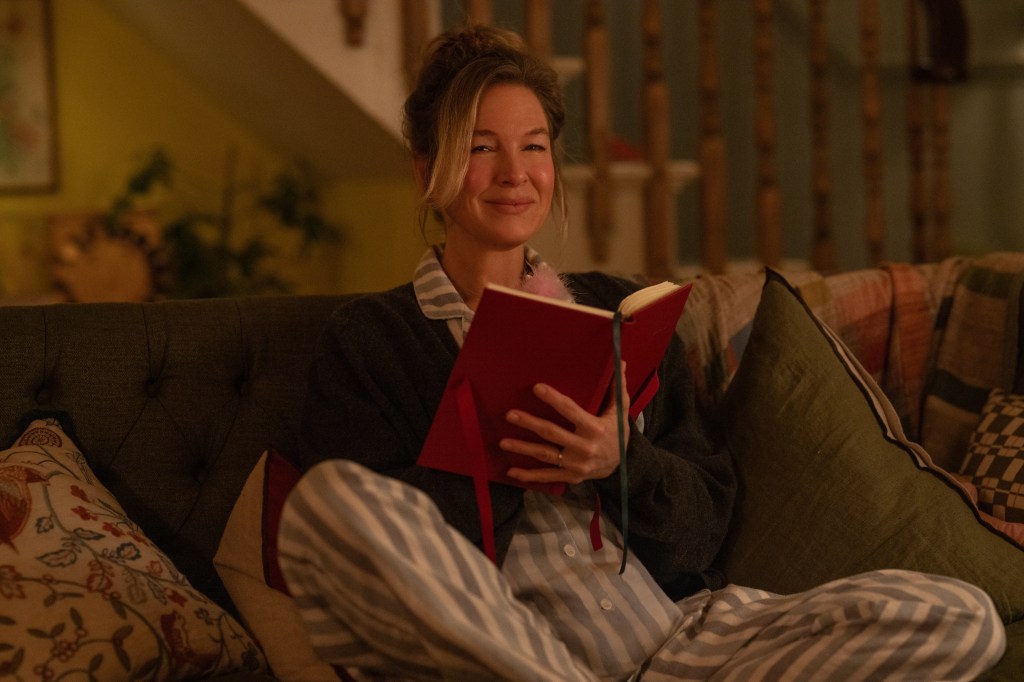
For context, Mad About the Boy is a reflection of the current Hollywood ecosystem, a landscape reliant on IP that’s banking on nostalgic ‘glory days’ for its justification. At its height, Bridget Jones was an unstoppable force in British culture, allowing women to see themselves for the messy, complicated human beings that we are. Against societal norms, she normalised comedic and embarrassing mishaps (because who can forget Bridget turning up to a “Tarts and Vicars” party dressed as a bunny – and no one told her about the change of plans) or sitting in your pyjamas listening to Jamie O’Neal’s All By Myself drinking wine to cure your soul of a heartbreak. Upon a rewatch, some of the elements have not aged well such as Bridget’s calorie counter, the overwhelming use of sexist jokes, single-shaming, its lack of diversity or Cleaver’s womanising antics. Yet, like its intention behind its fourth entry, it’s hoping to bring that same audience who grew up on her adventures to come back to the cinema – and the good news, it’s worth the trip.
While it misses out on being the best Bridget Jones movie, Mad About the Boy is a heartfelt entry that will make you fall in love with Bridget all over again. Its likeability stems from experiencing the heroine in a new phase of her life with the passage of time fostering a new kind of chaos. It has been four years since Mark Darcy’s death whilst on a humanitarian trip. She lives as a widow and a single mother raising her two kids, and finding herself withdrawn from the world. As she’s pushed by those around her to live again (including signing up to Tinder), Bridget finds herself drawn to the attraction of two men, a bio-engineer toyboy with a Gen Z appropriate name, Roxster (Leo Woodall), and her son’s school teacher, Mr Scott Wallaker (Chiwetel Ejiofor).
The fact Mad About the Boy is based on Fielding’s own real-life tragedy adds immeasurable weight and substance to the story. Fielding alongside screenwriters Dan Mazer and Abi Morgan explores grief and remembrance with ‘pause for thought’ moments that inevitably pull at the heartstrings. But it’s also a film with its heart in a different place. The welcome respite director Michael Morris offers is that this is not the Bridget we met in 2001. Even Cleaver is a different man, albeit slightly (he’s still a loverat womanising lothario but with the added storyline of a son he brought into the world). There’s a ‘back to basics’ acceptance in seeing characters grow older, which Zellweger and Grant both channel with maturity. Boy acknowledges those changes as positively as it can and at least giving a semblance of growth.
Crucially, it avoids the same pitfall trappings Reason and Baby fell into. For instance, the exhausted use of Cleaver and Darcy fighting the same battles of insecurity yet never changing or evolving over their mistakes, kept those films in a perpetual state of formula and repetition. Morris’ film channels a different energy with the inclusion of Woodhall and Ejiofor. The pattern remains the same but at least there’s a different dynamic at play. Roxster’s age gap adds complication and compatibility issues with Bridget (don’t expect Babygirl levels of seduction here). Mr. Wallaker – embodying the opposites-attract archetype – emits warmth in his conversations despite his excessive whistle-blowing at the school gates. And his demeanour slowly wins over Bridget’s faith with his rapport with her son Billy (Casper Knopf), which gives some thoughtful understanding on child grief.
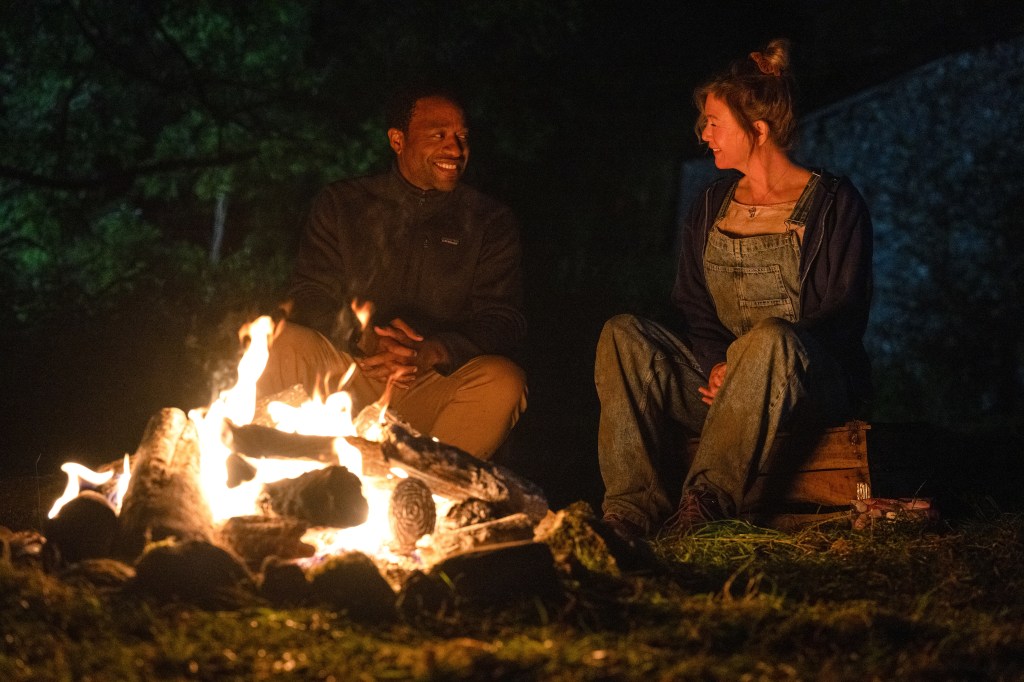
It’s deliberately light and fluffy – the kind that throws a comfy blanket around you knowing you’re in safe hands with its direction and humour. There’s not much depth to be exercised here knowing Bridget’s friends or any other character for that matter are always left by the developmental wayside with their one-note commentary on Bridget’s love life. But it does enough to keep everything moving swiftly without outstaying its welcome. Combine that with the slapstick routine that’s always a familiar accompaniment to a Bridget Jones film, the feeling is genuine. Its humour earned rather than humour belittled at someone else’s detriment – and the brilliant swimming pool scene where Roxster dives in to save a dog, echoes that.
While Zellweger dependably shines, seeing Ejiofor flexing his rom-com credentials again since Love Actually is the upgrade the franchise needed. He doesn’t have much to work with besides the basics and lack of screentime, but for an actor who has been in supporting roles for the last couple of years, he goes out of his way to make every scene he’s in memorable.
It’s far from perfect, but at least Mad About the Boy ends in a satisfying place. It’s the best outcome it could have hoped for, one that looks back at Bridget’s legacy that’s kinder on itself, fun in its sincerity and empathetic for the modern age. And in keeping it simple, we have the best of Bridget back.

 Confessions From A Geek Mind
Don’t Be Shy – Leave a Reply